Hunting History avatar

Hunting History

Location is not set

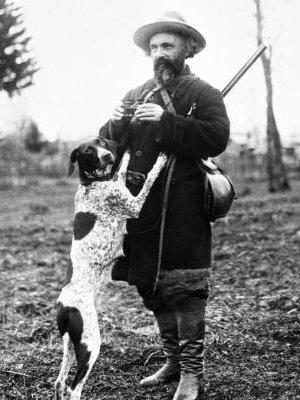
Kyrgyzstan hunting in early 20th-century was far more than a subsistence activity — it was a deeply rooted cultural tradition, a test of skill, endurance, and harmony between human, animal, and landscape.


Archival photographs from 1910 and 1918 vividly capture this world: one image shows a Kyrgyz hunter standing proudly with his taygan dog and a long-barrelled flintlock rifle (karamultyk); another depicts a mounted hunter with horse, taygan at his side, and a golden eagle perched on his gloved arm —...

View more...

Kyrgyzstan hunting in early 20th-century was far more than a subsistence activity — it was a deeply rooted cultural tradition, a test of skill, endurance, and harmony between human, animal, and landscape.

3

Tags 3

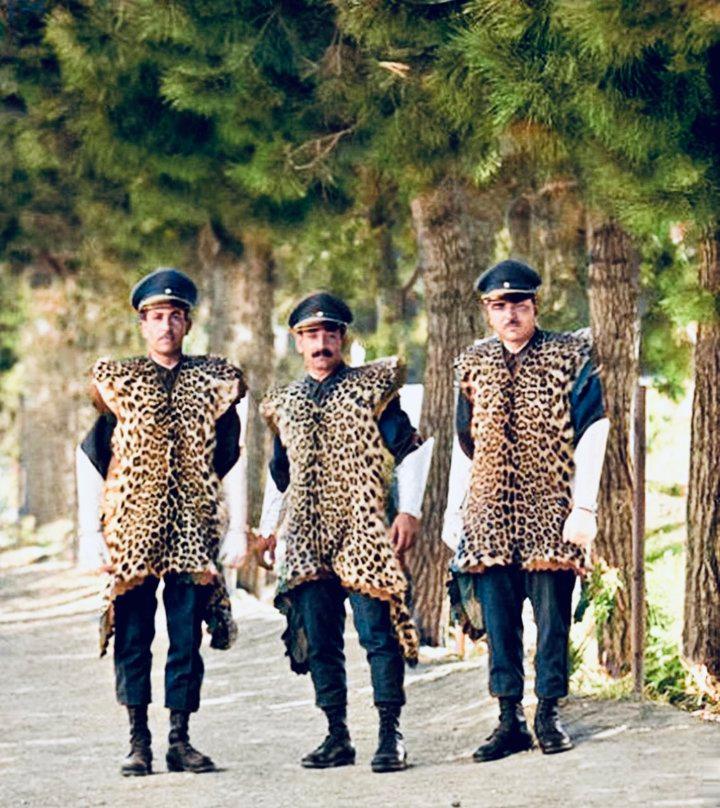
King Alfonso XIII was not only a constitutional monarch but also an enthusiastic and accomplished sportsman, for whom hunting was both a cherished pastime and a strategic instrument of statecraft.


Deeply embedded in the traditions of Spanish royalty, Alfonso XIII embraced the hunt with genuine passion, often participating in elaborate drives through the royal hunting grounds, most notably the Monte de El Pardo—a vast forested reserve just northwest of Madrid that had served as a favored hunti...

View more...

King Alfonso XIII was not only a constitutional monarch but also an enthusiastic and accomplished sportsman, for whom hunting was both a cherished pastime and a strategic instrument of statecraft.

4
Tags 4

The photograph “Canning Black Caviar from Sturgeon Caught in the Volga River, Astrakhan, USSR, 1963” by renowned Soviet photojournalist Valery Shustov is far more than a simple documentary image—it is a powerful historical artifact that captures a pivotal moment in the Soviet Union’s relationship with one of its most prized natural resources: sturgeon and its luxurious byproduct, black caviar.


This meticulously composed image not only illustrates the industrialized process of caviar production during the Khrushchev era but also serves as a poignant reminder of a time when the Volga River teemed with sturgeon, and the caviar industry operated under strict state control and centralized plan...

View more...

The photograph “Canning Black Caviar from Sturgeon Caught in the Volga River, Astrakhan, USSR, 1963” by renowned Soviet photojournalist Valery Shustov is far more than a simple documentary image—it is a powerful historical artifact that captures a pivotal moment in the Soviet Union’s relationship with one of its most prized natural resources: sturgeon and its luxurious byproduct, black caviar.

4
Tags 4

Hunting History avatar

Hunting History

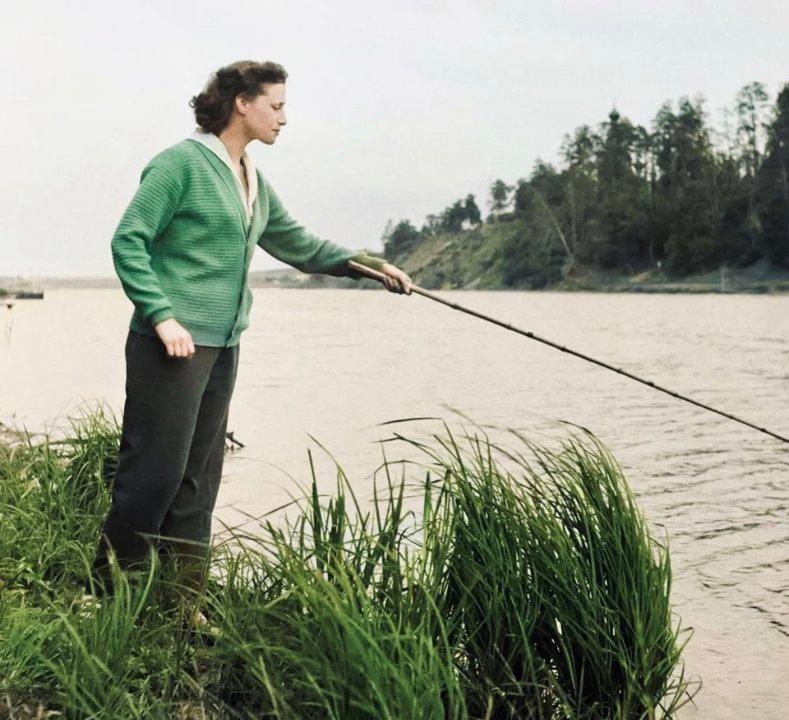
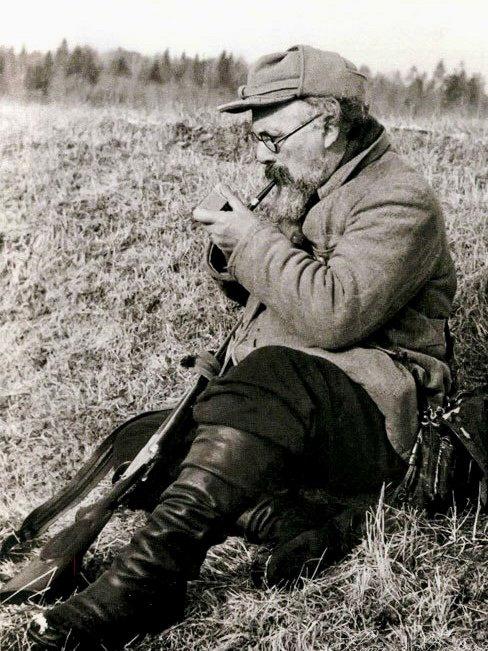
Mikhail Sholokhov — the Nobel Prize-winning Russian author best known for his epic novel *And Quiet Flows the Don* — was not only a master storyteller but also an avid outdoorsman whose deep love for hunting and fishing profoundly shaped both his personal life and literary output.


Born in 1905 in the Cossack region of the Don River, Sholokhov spent much of his life immersed in the natural landscapes of southern Russia, where the rhythms of rural life, the changing seasons, and the bounty of rivers and steppes became integral to his identity — and to his art. Love for Hunting...

View more...

Mikhail Sholokhov — the Nobel Prize-winning Russian author best known for his epic novel *And Quiet Flows the Don* — was not only a master storyteller but also an avid outdoorsman whose deep love for hunting and fishing profoundly shaped both his personal life and literary output.

4

Tags 4

Hunting History avatar

Hunting History

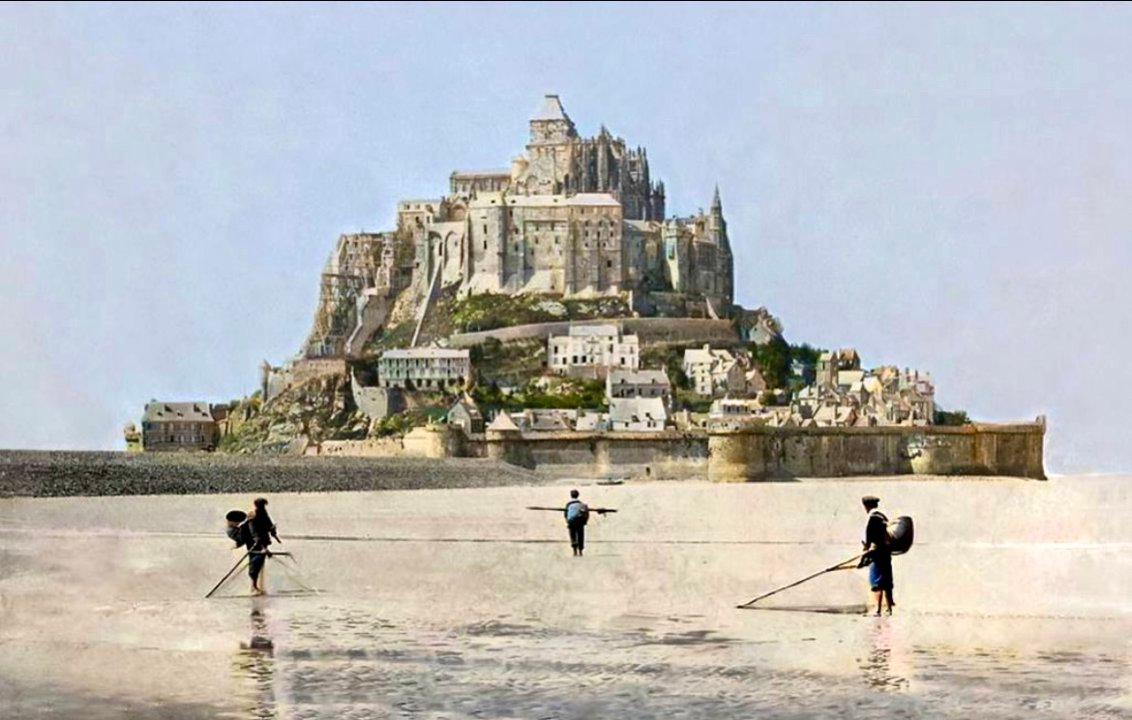
Oyster hunting and sorting in 19th-century France was an essential maritime and culinary practice that reflected both the country’s deep gastronomic traditions and the evolving dynamics of coastal economies.


While the term “oyster hunting” may evoke images of wild foraging, in reality, oyster production during this period was increasingly a blend of traditional harvesting, early aquaculture techniques, and organized labor—especially along the Atlantic coast and in regions like Normandy, Brittany, and th...

View more...

Oyster hunting and sorting in 19th-century France was an essential maritime and culinary practice that reflected both the country’s deep gastronomic traditions and the evolving dynamics of coastal economies.

2

Tags 2

Scan the QR code on your phone to download